

Joints, blunts, and spliffs are three of the most common ways to smoke, but a surprising number of people mix them up or use the terms interchangeably. If you've ever wondered about the real differences in a spliff vs joint vs blunt, you're not alone, and the distinctions actually matter more than you might think. Each one uses different rolling materials and fillings, which directly affect the flavor, burn, and overall experience.
A joint uses rolling papers filled with cannabis. A blunt uses a tobacco leaf or cigar wrap. A spliff combines cannabis and tobacco inside a rolling paper. Simple enough on the surface, but the details, from wrap composition to how each one hits, are worth understanding before you pick your preferred method. Choosing the right option can mean the difference between a smooth, even session and one that falls short.
At Green Blazer, we're the largest authorized RAW cone retailer in the U.S., so we spend a lot of time thinking about what goes into a great smoke. This guide breaks down exactly how joints, blunts, and spliffs compare, their ingredients, wraps, effects, and pros and cons, so you can make a more informed choice the next time you light up.
Why the differences matter
Most people reach for whatever their friends use or whatever is available, but the wrap and filling in your smoke directly shape the taste, burn speed, and physical effects you feel. When you compare a spliff vs joint vs blunt, you're not just learning three names for the same thing. You're looking at meaningfully different products that produce different experiences, and understanding those differences helps you pick the right one on purpose instead of by accident.
The wrap and filling determine your experience
Rolling papers, tobacco wraps, and blunt papers each behave differently the moment you light them. A thin rolling paper burns slowly and stays out of the way, letting the flavor of your fill come through cleanly. A tobacco leaf or cigar wrap is thicker and adds its own taste, often something sweet or earthy, which blends into every draw. The wrap you choose also affects the burn rate, the density of the smoke, and whether you'll end up with a run or an uneven burn halfway through your session.
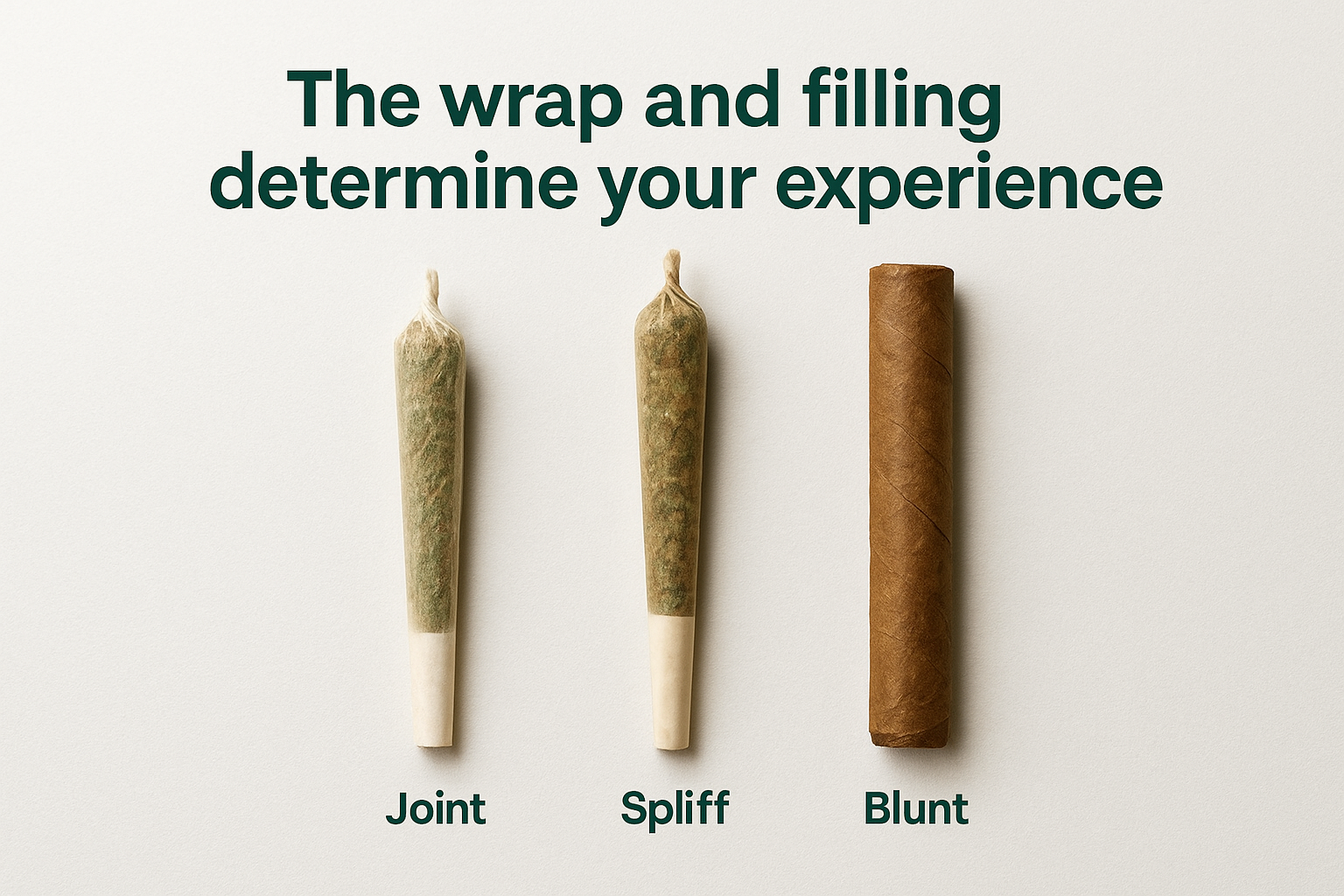
Your wrap is doing more work than most people realize. It controls burn speed, contributes flavor, and determines how forgiving the smoke will be if the fill isn't packed perfectly even.
Beyond the wrap, the fill composition changes the effects entirely. A pure cannabis joint gives you the effects of whatever strain you're smoking with nothing else added. A spliff introduces nicotine from the tobacco portion, which creates a stimulant effect on top of the cannabis. Many people describe this as a sharper, lighter-headed sensation compared to a straight joint, and that distinction is worth knowing before you make a choice, especially if you're sensitive to nicotine.
Your preferences should guide the format you pick
Experience level and sensitivity both play a role in which format works for you. Someone new to smoking may find that the added tobacco in a spliff creates an uncomfortable reaction, while a more experienced smoker might enjoy the combined buzz. A blunt burns longer and produces denser smoke, which changes the pacing of your session compared to a smaller, thinner joint. None of these three formats is objectively better than the others, but each one suits a different set of preferences and goals.
Understanding the differences also matters when you're using pre-rolled cones for your sessions. Cones are built with specific fill weights and burn characteristics in mind, and knowing whether you want a pure cannabis fill, a mixed fill, or something tobacco-forward helps you choose the right cone size and paper type from the start. Once you understand what separates these three formats, you can match your materials to what you actually want.
What a joint is
A joint is the most straightforward of the three formats in the spliff vs joint vs blunt comparison. It uses a thin rolling paper filled entirely with cannabis, nothing else. No tobacco, no additives, just ground flower packed into a paper and twisted or folded shut. Most people use a small crutch or filter tip at one end to keep the shape and give you something to hold as it burns down.
The papers and materials
Rolling paper choices have expanded significantly over the years, and the type you use changes the experience in small but real ways. You can choose from rice papers, wood pulp papers, hemp papers, and ultra-thin papers, each with slightly different burn rates and flavor profiles. Hemp papers are a popular option because they burn slowly and add very little taste of their own, keeping the focus on the cannabis inside.
The paper is the one variable most joint smokers overlook. A high-quality, slow-burning paper can improve your session more than any other single adjustment.
Pre-rolled cones take the same concept and do the shaping work for you. You fill them, tap them down, and twist the end closed. RAW cones, for example, are made from unbleached natural paper with a proprietary slow-burn design, which makes them a reliable choice if you want a consistent joint without learning to roll from scratch.
How a joint smokes
Joints burn cleaner and slower than blunts, and without tobacco in the mix, you get a direct read on the flavor and effects of your cannabis strain. The experience is controlled entirely by what you put inside, which makes a joint the best format for tasting and evaluating your flower without outside interference.
What a spliff is
A spliff sits between the other two formats in the spliff vs joint vs blunt comparison because it combines cannabis and tobacco inside a single rolling paper. The ratio of cannabis to tobacco varies, but a typical spliff runs somewhere between 70/30 and 50/50 cannabis to tobacco. You control that ratio yourself, which gives you more flexibility than the other formats but also means the experience can vary significantly depending on how you build it.
The tobacco blend and paper choice
Most people roll spliffs with the same thin rolling papers used for joints, so the paper itself doesn't change much between the two formats. What changes is the fill. You mix loose tobacco with your ground cannabis before loading the paper or cone, and the tobacco distributes throughout the entire smoke rather than sitting in layers. Some people use cigarette tobacco, while others prefer pipe tobacco or rolling tobacco for a smoother burn and less harsh taste.
The tobacco-to-cannabis ratio is the biggest variable you control in a spliff, and small adjustments make a noticeable difference in both flavor and effect.
How a spliff smokes
Spliffs are especially common in Europe and the UK, where combining tobacco with cannabis has been a standard practice for decades. In the United States, most smokers default to pure cannabis joints, so spliffs tend to be less familiar to American audiences. The nicotine in the tobacco produces a stimulant effect that layers on top of the cannabis, which many people describe as a lighter, more alert feeling compared to a straight joint. If you're sensitive to nicotine or don't use tobacco regularly, that effect can feel uncomfortable rather than enjoyable, so your personal tolerance is worth factoring in before you try one.
What a blunt is
A blunt is the heaviest of the three formats in the spliff vs joint vs blunt comparison, both in terms of size and material. It uses a tobacco leaf wrap or cigar paper instead of a standard rolling paper, and the fill is typically pure cannabis. The tobacco comes from the wrap itself rather than the fill, which is the key difference between a blunt and a spliff. Blunts tend to be larger than joints and hold significantly more cannabis per roll.
The wrap and tobacco content
Tobacco-based wraps come in several forms. You can split open a cheap cigar or cigarillo, remove the tobacco inside, and repack it with cannabis. You can also buy pre-made blunt wraps sold as flat sheets in flavored and unflavored varieties. Common wrap brands use processed tobacco leaf that comes in flavors like honey, mango, and grape, which layer into the smoke from the first draw to the last.
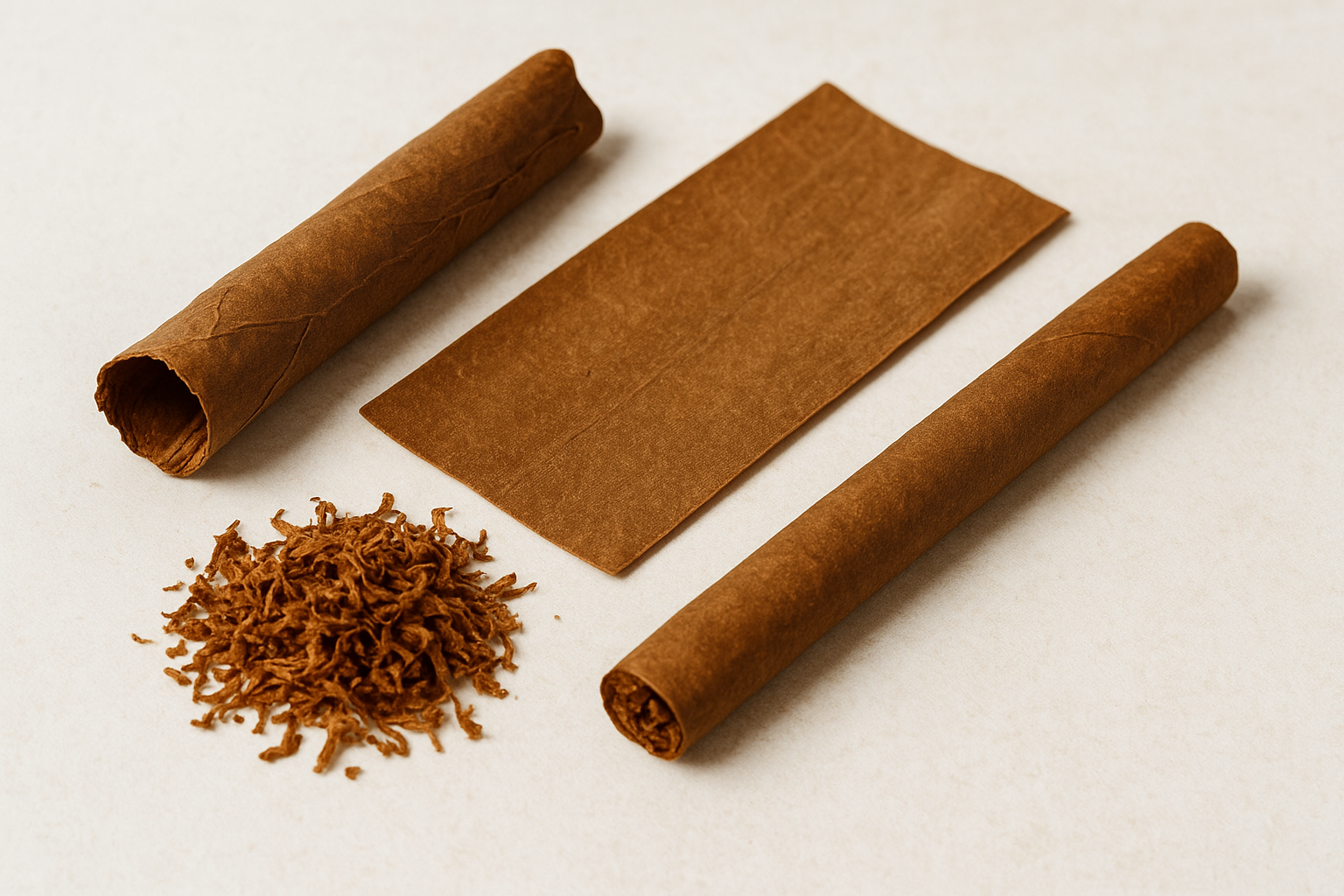
The wrap is where all the tobacco in a blunt lives, so the quality and thickness of that wrap shapes everything about how the blunt burns and tastes.
How a blunt smokes
Blunts burn slower and longer than both joints and spliffs because the tobacco leaf wrapping is thicker and denser than rolling paper. A well-rolled blunt can last twice as long as a similarly sized joint, which makes it a common choice for group sessions where the smoke gets passed around. The tobacco flavor from the wrap blends into every draw, so you will taste both the cannabis and the wrap throughout the session rather than getting a clean read on your flower alone. If you want your cannabis strain to come through without interference, a blunt is the least neutral option of the three.
How to choose the right one for your session
Picking between a joint, blunt, or spliff comes down to four practical factors: your tolerance for tobacco, how long you want the session to last, who you're smoking with, and how much the flavor of your cannabis matters to you. Once you know where you land on those four points, the right choice from the spliff vs joint vs blunt comparison becomes fairly obvious.
Consider your tobacco tolerance first
Tobacco tolerance is the most important factor to sort out before anything else. If you don't smoke tobacco regularly, both blunts and spliffs will introduce nicotine into your session, and that can produce dizziness or discomfort rather than the experience you wanted. A pure cannabis joint keeps everything clean and predictable, which makes it the safest starting point if you're unsure how your body handles nicotine.
If you're new to tobacco or unsure of your tolerance, start with a joint and work from there rather than committing to a blunt or spliff first.
Match your format to the size of your session
Solo sessions almost always work better with a joint or a small spliff. You control the fill weight, and a well-packed cone finishes at a pace that suits one or two people without wasting material. Blunts make more sense for group settings because the thicker wrap burns slower and holds a larger fill, so there's enough smoke for several people passing it around.
If strain flavor is important to you and you want a clean read on your cannabis, a joint with a high-quality hemp paper or a pre-rolled cone is your best option. Blunts and spliffs both add tobacco flavor that competes with the cannabis throughout the entire session.
Quick recap and next steps
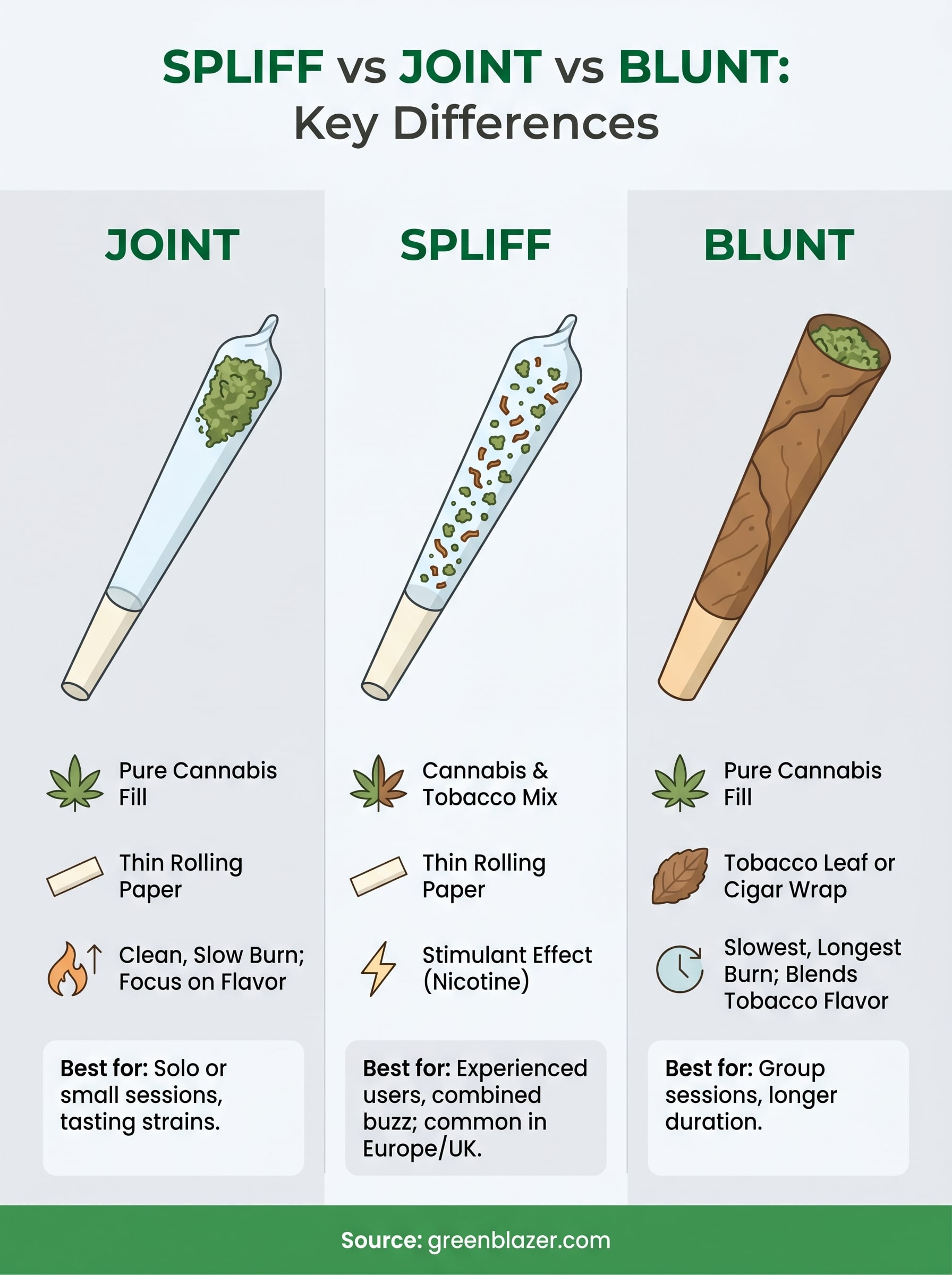
The spliff vs joint vs blunt comparison comes down to three clear distinctions: what's inside, what's wrapping it, and how much tobacco is involved. A joint uses pure cannabis in a thin rolling paper. A spliff mixes cannabis and tobacco in the same rolling paper. A blunt packs cannabis inside a tobacco leaf wrap. Each format produces a different burn, flavor, and effect, and your tolerance for tobacco is the fastest way to narrow down which one fits your sessions best.
Once you know your format, the materials you use make a real difference in how the session goes. High-quality papers and pre-rolled cones give you a more consistent burn and let the flavor of your cannabis come through the way it should. If you want cones that burn evenly and skip the rolling hassle entirely, browse RAW pre-rolled cones at Green Blazer and find the right size for your next session.
