

You packed a fresh Indica cone for your evening session, and twenty minutes later you're melting into the couch. It's a familiar story, and it raises a question nearly every smoker asks at some point: does Indica make you sleepy, or is something else going on? The short answer is yes, Indica-dominant strains tend to produce noticeable sedative effects, but the full picture is more interesting than a simple yes or no.
The real drivers behind that heavy-eyed feeling aren't just about whether a strain is labeled Indica or Sativa. Terpenes like myrcene and linalool, along with the ratio of THC to CBD, play a significant role in how drowsy (or alert) you feel after smoking. Understanding these compounds can help you pick the right strain for the experience you're after, whether that's deep relaxation or staying functional.
At Green Blazer, we're the largest authorized RAW cone retailer in the United States, and we supply both individual smokers and commercial producers with premium RAW pre-rolled cones built for a slow, even burn. Choosing the right strain matters, but so does what you smoke it in. Below, we'll break down the science behind Indica's sleepy reputation, explain how terpenes and cannabinoids actually affect your body, and help you make smarter choices for your next session.
Why indica can make you feel sleepy
When people ask does indica make you sleepy, the answer starts with the plant itself. Indica strains (Cannabis indica) grow shorter and bushier than Sativa plants, and they tend to produce higher concentrations of certain cannabinoids and terpenes that interact with your body's endocannabinoid system in ways that promote relaxation. The classification isn't perfect, and modern cannabis genetics blur the lines between strains, but the Indica label still carries real meaning when it comes to the compounds most associated with sedation.
The Indica plant's chemical fingerprint
Indica-dominant strains typically carry higher CBD-to-THC ratios compared to Sativa varieties, though THC levels can still be substantial. That balance matters because CBD moderates some of THC's stimulating effects, pulling the overall experience toward calm rather than alertness. Indica plants also tend to accumulate terpenes, particularly myrcene and linalool, as a natural byproduct of how the plant grows and responds to its environment. Together, these compounds create a chemical fingerprint that consistently pushes toward sedation rather than stimulation.
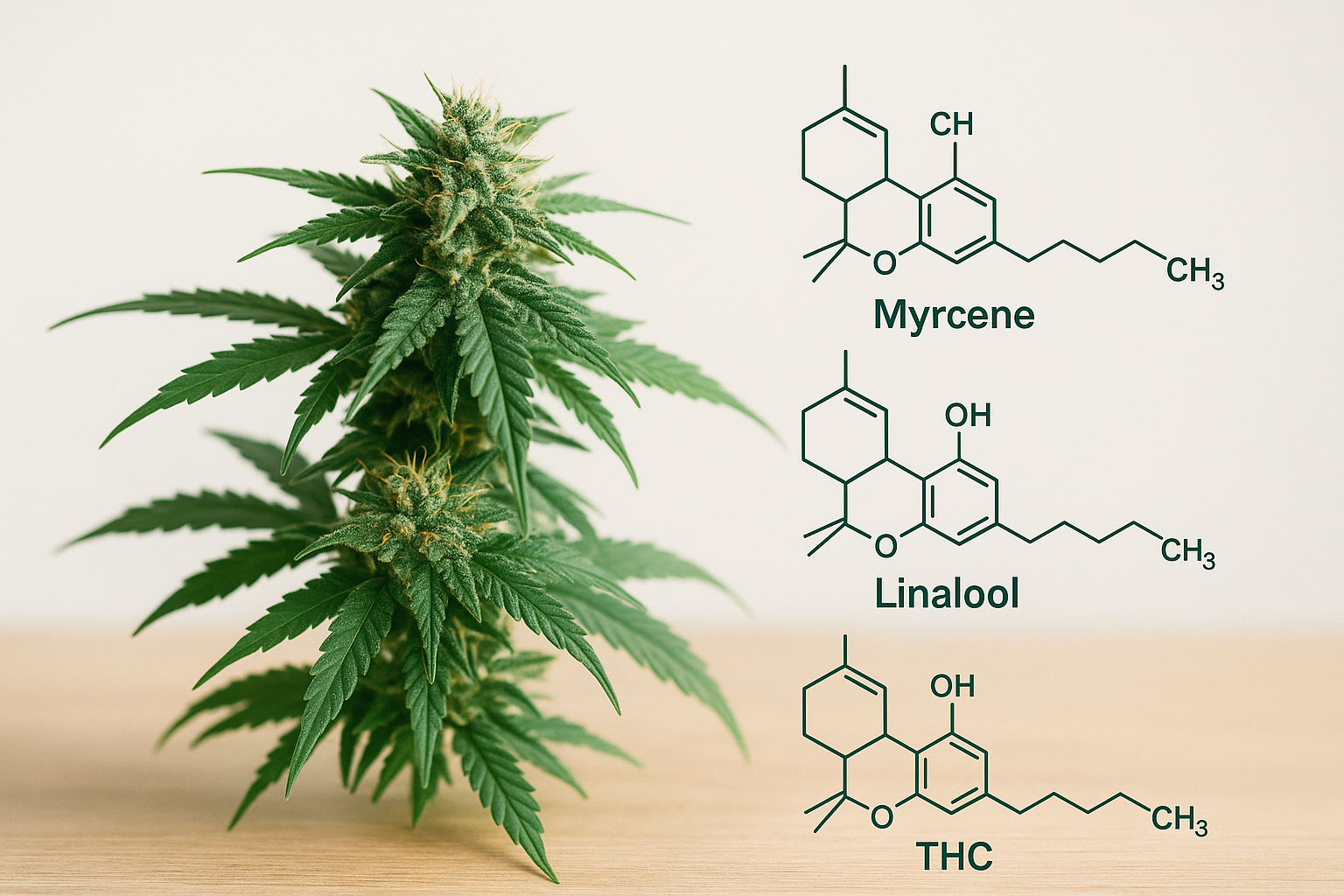
Here are the key compounds that contribute most to that sleepy feeling in Indica-dominant strains:
- Myrcene: the most abundant terpene in cannabis overall, with documented relaxing and muscle-loosening properties
- Linalool: a floral terpene also found in lavender, associated with calming the nervous system
- CBD: a cannabinoid that moderates THC's alerting effects and supports relaxation
- THC at moderate-to-high concentrations: at higher doses, THC shifts from energizing to sedating for most users
The sedative reputation of Indica isn't a myth; it reflects real differences in plant chemistry that show up consistently across strains bred in the Indica tradition.
What happens in your body after you smoke
Once you inhale, THC and other cannabinoids bind to CB1 receptors concentrated in your brain and nervous system. These receptors regulate mood, pain, appetite, and sleep cycles. When Indica's cannabinoid profile activates CB1 receptors, your nervous system begins to down-regulate, reducing mental activity and lowering physical tension throughout your body. Many smokers describe this as a body-heavy effect, a sensation of warmth and physical weight that makes it difficult to stay motivated to move or think.
Myrcene contributes through a separate mechanism. Research suggests that myrcene may enhance the permeability of the blood-brain barrier, allowing cannabinoids to cross more efficiently and intensify sedative effects. It also appears to have direct muscle-relaxant properties independent of cannabinoid activity. When a strain combines Indica-type cannabinoids with a high myrcene load, you get two overlapping pathways both driving toward drowsiness, which explains why couch-lock hits some strains harder than others.
THC, CBD, and the entourage effect
When you ask does indica make you sleepy, part of the answer comes down to how THC and CBD behave together. Neither cannabinoid works in complete isolation. Your body's endocannabinoid system processes these compounds simultaneously, and the ratio between them shapes the character of the experience more than either one alone.
How THC and CBD interact
THC on its own can be stimulating at low doses, producing a sharper, more alert mental state. At moderate to high doses, however, THC begins to suppress neural activity and promote sleep, which is why experienced smokers often report that heavier sessions leave them feeling genuinely drowsy rather than energized. CBD counters some of THC's more activating tendencies by binding to different receptor sites and modulating how strongly THC affects you. This is why a strain with balanced THC and CBD typically lands softer and more sedative than a high-THC-only strain with zero CBD.
The combination of THC and CBD working together is more effective at producing relaxation than either compound working alone.
What the entourage effect means for your session
The entourage effect describes how cannabinoids, terpenes, and other plant compounds amplify each other's effects when consumed together rather than in isolation. Indica-dominant strains benefit from this significantly because their terpene profile, often heavy in myrcene and linalool, synergizes with the CBD-modulated THC to deepen sedation. Smoking a whole-plant product like a RAW pre-rolled cone preserves these compounds intact, giving you the full spectrum of what the strain contains. Isolated extracts and distillates often strip out the supporting compounds, which can make the same strain feel noticeably different. For sleep-focused sessions, whole-flower Indica in a quality cone consistently delivers the most complete entourage effect.
Terpenes most linked to drowsiness
When you want to understand does indica make you sleepy, terpenes deserve serious attention. These aromatic compounds give cannabis strains their distinct smells, but they also drive much of the sedative effect you feel after smoking an Indica-dominant strain. Knowing which terpenes to look for helps you select products that actually deliver the sleep-friendly session you're after.
Myrcene
Myrcene is the most common terpene in cannabis and the one most directly tied to the couch-lock feeling that Indica strains are famous for. It carries an earthy, musky scent similar to cloves or mangoes, and research suggests it interacts with your nervous system to produce muscle relaxation and reduced physical tension. Strains with myrcene levels above 0.5% are generally considered likely to produce sedative effects, and most Indica-dominant varieties sit well above that threshold.
- Common high-myrcene strains: OG Kush, Granddaddy Purple, and Indica-leaning Blue Dream phenotypes
- Scent profile: earthy, musky, faintly fruity
- Primary effect: physical relaxation and muscle loosening
Myrcene is the single biggest terpene contributor to that heavy, drowsy feeling most people associate with Indica strains.
Linalool and caryophyllene
Linalool works alongside myrcene to calm your nervous system rather than simply relaxing your muscles. You already encounter linalool in lavender, and its mechanism in cannabis follows a similar path: it reduces anxiety and mental tension, which makes it noticeably easier to wind down before bed. Adding linalool to a high-myrcene Indica strain compounds the drowsiness in a meaningful way.
Caryophyllene rounds out the combination by binding directly to CB2 receptors and producing anti-inflammatory and stress-relieving effects that deepen the overall sedative experience. Strains carrying all three of these terpenes together consistently deliver the most pronounced relaxation, making terpene profiles worth checking whenever you pick a bedtime product.
Indica vs sativa vs hybrid for sleep
If you're still wondering does indica make you sleepy, comparing it directly against Sativa and hybrid strains makes the answer clearer. Each category carries a distinct terpene and cannabinoid profile that pushes your experience in a different direction, and knowing those differences helps you pick the right product before your session rather than after.
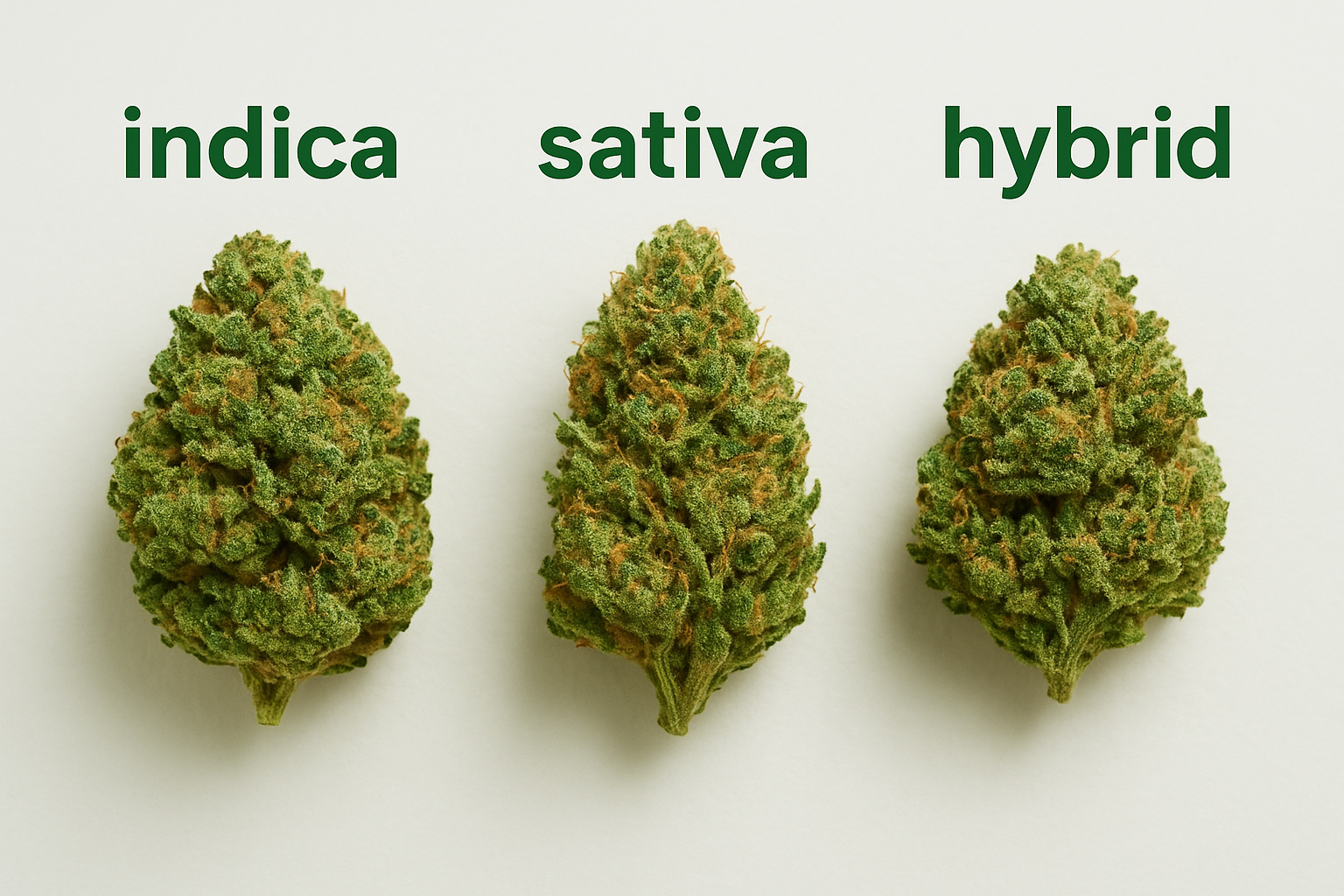
Sativa strains and why they work against sleep
Sativa-dominant strains typically contain higher concentrations of terpenes like terpinolene and ocimene, both of which are associated with uplifting and alerting effects rather than sedation. Their THC-to-CBD ratios tend to skew toward pure THC with very little CBD to soften the stimulating edge, which makes them more suitable for daytime activity, creative work, or social settings. Using a Sativa strain before bed often extends the time it takes you to fall asleep and can produce racing thoughts that make genuine rest harder to reach.
Reaching for a Sativa at night is one of the most common mistakes smokers make when they want cannabis to support sleep.
How hybrids compare
Hybrids sit between both ends of the spectrum, and their actual effects depend almost entirely on which parent strain dominates their genetic profile. An Indica-dominant hybrid like Wedding Cake or Gelato carries enough myrcene and linalool to produce solid relaxation without the full sedation of a pure Indica, making it a good option if you want to wind down without feeling completely locked to the couch. Sativa-dominant hybrids, on the other hand, retain more of the alerting terpene profile from their Sativa lineage and generally perform closer to a true Sativa when it comes to sleep.
| Strain type | Sleep suitability | Key reason |
|---|---|---|
| Indica | High | Myrcene, linalool, balanced THC/CBD |
| Indica-dominant hybrid | Moderate to high | Partial terpene crossover |
| Sativa-dominant hybrid | Low to moderate | Alerting terpenes persist |
| Sativa | Low | Terpinolene, ocimene, high THC/low CBD |
How to choose a bedtime product and dose
Now that you understand why does indica make you sleepy comes down to specific compounds, you can use that knowledge to pick the right product. The goal isn't just grabbing any Indica-labeled strain; it's selecting one with the terpene and cannabinoid profile that actually matches what your body needs before bed.
Start with terpene profiles, not just labels
When you pick a bedtime strain, look for myrcene as the dominant terpene, ideally combined with linalool and caryophyllene. Most dispensaries and online retailers now list lab-tested terpene data on their product pages. If you see myrcene above 1% alongside measurable CBD content, you're looking at a solid sleep candidate regardless of whether the label says pure Indica or Indica-dominant hybrid.
Terpene data matters more than the Indica or Sativa label when you're choosing a strain specifically for sleep.
- Look for myrcene above 0.5% (ideally above 1%)
- Check for secondary terpenes like linalool and caryophyllene
- Prefer strains with measurable CBD alongside THC
Get your dose and timing right
Dose directly affects whether you feel pleasantly relaxed or so sedated you wake up groggy. Most people find that a moderate amount smoked 30 to 60 minutes before bed gives the cannabinoids time to peak and begin tapering as you fall asleep, rather than hitting full intensity while you're still trying to wind down. Start lower than you think you need and adjust over a few sessions.
Smoking your Indica in a RAW pre-rolled cone keeps the whole-plant terpene profile intact, which matters because processed or extracted products often strip out the myrcene and linalool responsible for deep relaxation. A slow, even burn also helps you pace your intake session by session instead of taking in too much at once.
Final takeaways
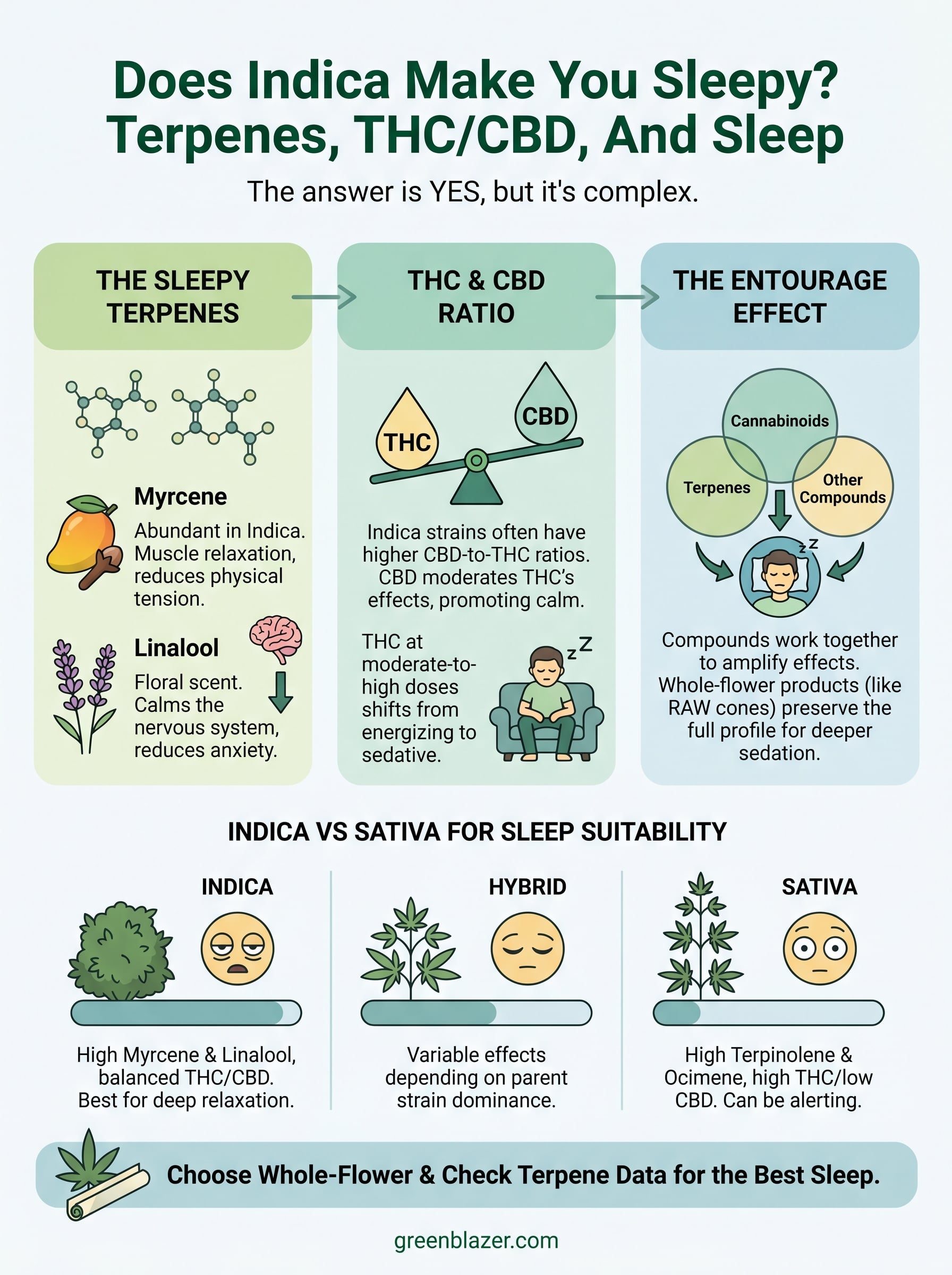
So, does indica make you sleepy? Yes, and now you know exactly why. The sedative effect comes from a combination of myrcene, linalool, and a CBD-moderated THC profile that works through your endocannabinoid system to reduce physical tension and quiet mental activity. The Indica label is a useful starting point, but checking terpene data gives you a far more accurate picture of what a strain will actually do before bed.
Choosing the right product and dose matters as much as choosing the right strain. Smoking a whole-flower Indica in a quality cone preserves the full terpene profile responsible for deep relaxation, while processed extracts often strip those compounds out. If you want a clean, slow, even burn that lets the strain deliver its full effect, RAW pre-rolled cones from Green Blazer give you a consistent platform to work with, whether you're winding down for the night or sourcing product for your operation.
