

You packed a sativa cone expecting a burst of motivation, and now you're wondering why you're glued to the couch. Or maybe you're still in the research phase, asking does sativa make you energetic before choosing what to smoke. Either way, the answer isn't as simple as most cannabis content makes it sound. Sativa strains have a reputation for producing uplifting, cerebral effects, but the reality depends on a lot more than just the indica-versus-sativa label on the jar.
The energy question matters because it shapes how people plan their sessions, what strain they pick, what time of day they smoke, and whether they're rolling up before a creative project or winding down after work. Terpene profiles, THC content, and individual tolerance all play a role in whether a sativa lights you up or lays you out. And yes, sativa crashes are real, something most people don't hear about until they experience one firsthand.
At Green Blazer, we supply the RAW pre-rolled cones that thousands of smokers and commercial producers use to enjoy their flower. We're not here to sell you a strain, but we believe knowing what you're packing matters just as much as what you're packing it into. This article breaks down how sativa actually affects your energy levels, what drives those feelings of focus and creativity, and why the crash hits some people harder than others.
What "sativa" means in 2026 and why it matters
Walk into any dispensary today and you'll still see "sativa," "indica," and "hybrid" printed on every menu board and product label. The categories have stuck around because they're simple, familiar, and easy to talk about. But what cannabis science actually tells us in 2026 is that these three buckets don't map reliably onto the effects you experience when you smoke, and understanding why that gap exists will change how you make decisions about your sessions.
The old botanical split no longer predicts effects
The original distinction between Cannabis sativa and Cannabis indica was a botanical classification, not a pharmacological one. Eighteenth-century botanists used those terms to describe the physical shape of the plant: sativa varieties grow tall and narrow with thin leaves, while indica varieties grow short and wide. Neither label was ever designed to predict how the plant would make you feel. Decades of intentional crossbreeding have also blurred any meaningful genetic line between the two, so almost everything sold commercially today is a genetic hybrid at the molecular level, regardless of what the jar says.
The shape of a cannabis plant tells you nothing reliable about whether it will make you feel alert or sedated.
What actually drives the effects you experience is the chemical profile of the flower: the cannabinoids, primarily THC and CBD, and the terpenes, which are the aromatic compounds that shape how those cannabinoids behave in your body. Terpenes such as limonene, alpha-pinene, and terpinolene are commonly associated with the uplifting, clear-headed feeling most people expect from a sativa. Terpenes like myrcene tend toward sedation, which is why some strains marketed as sativa can still leave you heavy and slow if their myrcene content is high enough.
Why the sativa label still carries practical weight
Knowing the sativa category is scientifically imprecise does not mean you should toss the label out entirely. It still functions as useful cultural shorthand: when a product page or budtender describes something as a sativa, they're communicating a reported effect profile, not a pure genetic lineage. Most people in the cannabis space use the term to mean "likely to produce uplifting, cerebral, and energizing effects," and for day-to-day purchasing decisions that framing is helpful even when it's imperfect.
Here's what the label can and cannot tell you:
- Can tell you: The general effect direction the producer or retailer expects based on terpene-rich testing and user feedback
- Cannot tell you: Exactly how your body will respond based on your tolerance, metabolism, or endocannabinoid system
- Can tell you: Whether the strain leans toward focus and creativity versus relaxation in most reported use cases
- Cannot tell you: The precise terpene profile without reading a lab-tested Certificate of Analysis
This is exactly why so many people still ask does sativa make you energetic rather than searching for specific terpene percentages. The label is accessible, widely understood, and directionally useful. Where it breaks down is when you rely on it as your only filter for predicting your experience, because two strains both sold as sativa can have entirely different terpene compositions and land in completely different places for you.
Why sativa can feel energizing and focused
When you ask does sativa make you energetic, the honest answer is: sometimes yes, and the reason comes down to specific terpenes and their interaction with your endocannabinoid system. Cannabis affects everyone differently, but certain chemical compounds consistently show up in strains that users report as uplifting, focused, and mentally clear. Understanding those compounds helps you move past vague label claims and choose with more confidence.
The terpenes that drive the lift
Terpenes are the compounds responsible for aroma and flavor in cannabis, but they also influence how cannabinoids like THC move through your system. Three terpenes appear most often in strains associated with energy and focus:
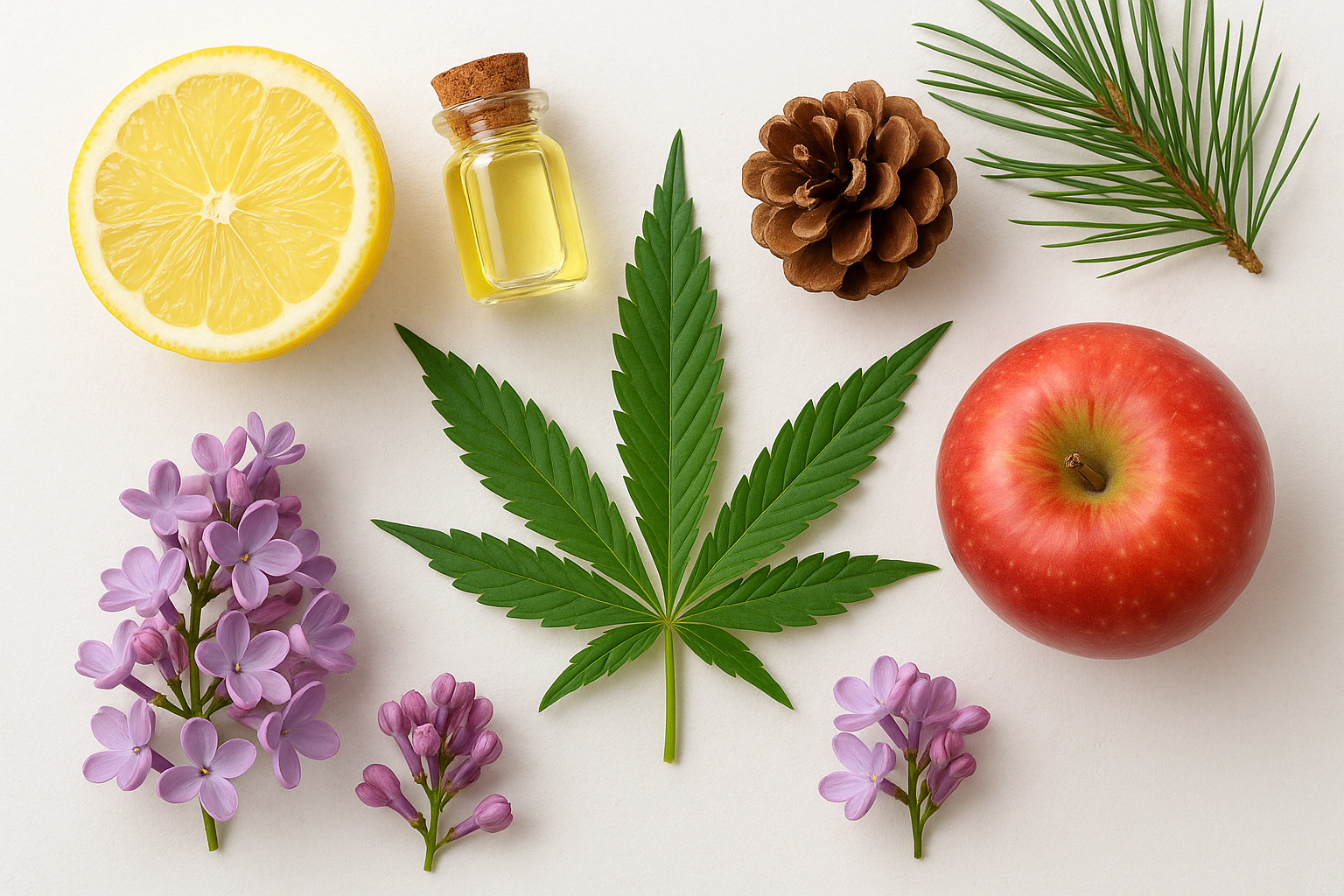
- Limonene: Found in citrus rinds, linked to elevated mood and reduced anxiety
- Alpha-pinene: Found in pine trees, associated with alertness and memory retention
- Terpinolene: Found in apples and lilacs, connected to uplifting, cerebral effects
When a strain is high in limonene or alpha-pinene, you're more likely to notice mental clarity and a sense of motivation rather than sedation.
These terpenes don't produce energy on their own. Instead, they modulate how THC binds to receptors in your brain, steering the overall experience toward focus rather than fatigue. A strain with high myrcene and the same THC percentage will land in a completely different place for you.
How THC levels shape your alertness
THC percentage affects how intense the experience feels, but it does not determine whether that experience is energizing or sedating on its own. At moderate doses, THC can stimulate dopamine release and heighten sensory attention, which many users describe as feeling switched on or creative. That dopamine response is what makes a productive sativa session feel genuinely motivating rather than artificially wired.
Your personal tolerance also shapes how alert you feel. A seasoned smoker hitting a 22% THC sativa may feel functional and focused, while someone newer to cannabis might feel overstimulated or scattered at that exact same dose.
When sativa makes you sleepy, shaky, or anxious
So does sativa make you energetic every time? No, and several specific situations will flip the expected lift into something far less pleasant. Sativa can absolutely produce sedation, anxiety, or shakiness, and these outcomes are not random. They follow predictable patterns based on dose, terpene content, and your personal tolerance at that moment.
When the dose tips past your threshold
Your endocannabinoid system handles THC efficiently up to a point, and crossing that point changes the entire character of the experience. At moderate doses, THC can produce the alert, creative feeling most people associate with sativa. Push past your personal threshold and the same strain starts producing racing thoughts, increased heart rate, and a heavy crash once the peak fades. This is why a strain that works perfectly for a friend at two hits might leave you couch-locked after three.

A sativa crash most often happens when you exceed your tolerance ceiling, not because the strain itself is sedating.
The myrcene problem in labeled sativas
Some strains sold as sativa carry high myrcene content despite the label, and myrcene is the terpene most consistently linked to sedation. You will not catch this from the marketing description. You catch it by reading the lab-tested terpene panel on the product, which most licensed dispensaries provide. If myrcene ranks at the top of the terpene list on a product labeled sativa, expect a heavier, slower experience regardless of what the category label promises.
Anxiety and physical discomfort in sensitive users
Certain sativa-dominant strains run high in THC with little CBD to balance the psychoactive load, and that combination heightens anxiety in users who are sensitive to stimulation. The result is not energy, it is overstimulation: a scattered mental state, muscle tension, and a shaky, uncomfortable feeling that makes focus impossible. Your body size, stress levels on any given day, and how recently you ate all influence how quickly this threshold arrives.
How to choose a sativa for energy and productivity
If does sativa make you energetic is the question you're bringing into a dispensary, you need a better filter than the category label alone. The good news is that two specific data points will tell you far more than the marketing copy on the jar: the terpene panel and the THC percentage. Together, those two numbers help you predict whether a particular strain will actually support a productive session or work against you.
Read the terpene panel, not just the label
Most licensed dispensaries provide a Certificate of Analysis (COA) for every product they carry, which includes a breakdown of the dominant terpenes in that batch. This is the most reliable tool you have for selecting a sativa that delivers focus and lift. When you look at the terpene panel, prioritize strains where limonene, alpha-pinene, or terpinolene rank near the top of the list.
If myrcene is the dominant terpene on a product labeled sativa, put it back and keep looking.
Here is a quick reference for what to look for:
| Terpene | Common Association | Good for Energy? |
|---|---|---|
| Limonene | Citrus, elevated mood | Yes |
| Alpha-pinene | Alertness, memory | Yes |
| Terpinolene | Cerebral, uplifting | Yes |
| Myrcene | Sedation, body heaviness | No |
| Linalool | Calming, relaxation | No |
Match THC level to your tolerance
Choosing a strain with the right THC percentage for your personal tolerance matters as much as the terpene profile. If you're newer to cannabis or returning after a long break, a strain sitting between 15% and 18% THC will typically give you the focused lift you're after without pushing you past the point where anxiety or overstimulation takes over.
More experienced smokers with a higher baseline tolerance can move into the 20% to 24% range without losing functional clarity, but crossing your own threshold still flips the experience negative regardless of how well-reviewed the strain is. Start lower than you think you need to and adjust from there.
How to prevent crashes and stay in control
Preventing a sativa crash starts before you light anything. The question of does sativa make you energetic has a follow-up that most people skip: how long does that energy last, and what happens after? Understanding your personal tolerance window and building a few simple habits around your session will keep you functional rather than fading once the peak passes.
Time your sessions around food and hydration
Smoking on a completely empty stomach intensifies the THC absorption rate and shortens your functional window before fatigue sets in. Eat a light meal or snack about 30 to 60 minutes before your session so your body has something to metabolize alongside the cannabinoids. Staying hydrated matters just as much: dehydration amplifies the groggy, heavy feeling that follows a hard peak, so keep water nearby and drink consistently throughout.
Eating before you smoke doesn't blunt the experience, it smooths the curve and extends how long you stay in a useful range.
Pace yourself and stick to your ceiling
The most common cause of a sativa crash is stacking too many hits in a short window before you've gauged where you're landing. Take one or two hits and give yourself fifteen to twenty minutes before deciding if you need more. Your endocannabinoid system needs time to process what's already there, and adding more before the first round peaks is the fastest route to overshooting your threshold and sliding into anxiety or sedation.
Taking breaks between sessions rather than smoking throughout the day also protects your baseline. Frequent back-to-back sessions compress your tolerance ceiling over time, which means the moderate dose that kept you focused last week now barely registers, pushing you toward higher amounts to feel the same effect. Building in rest days keeps your tolerance manageable, and your productive sessions stay productive rather than requiring more flower to reach the same functional place.
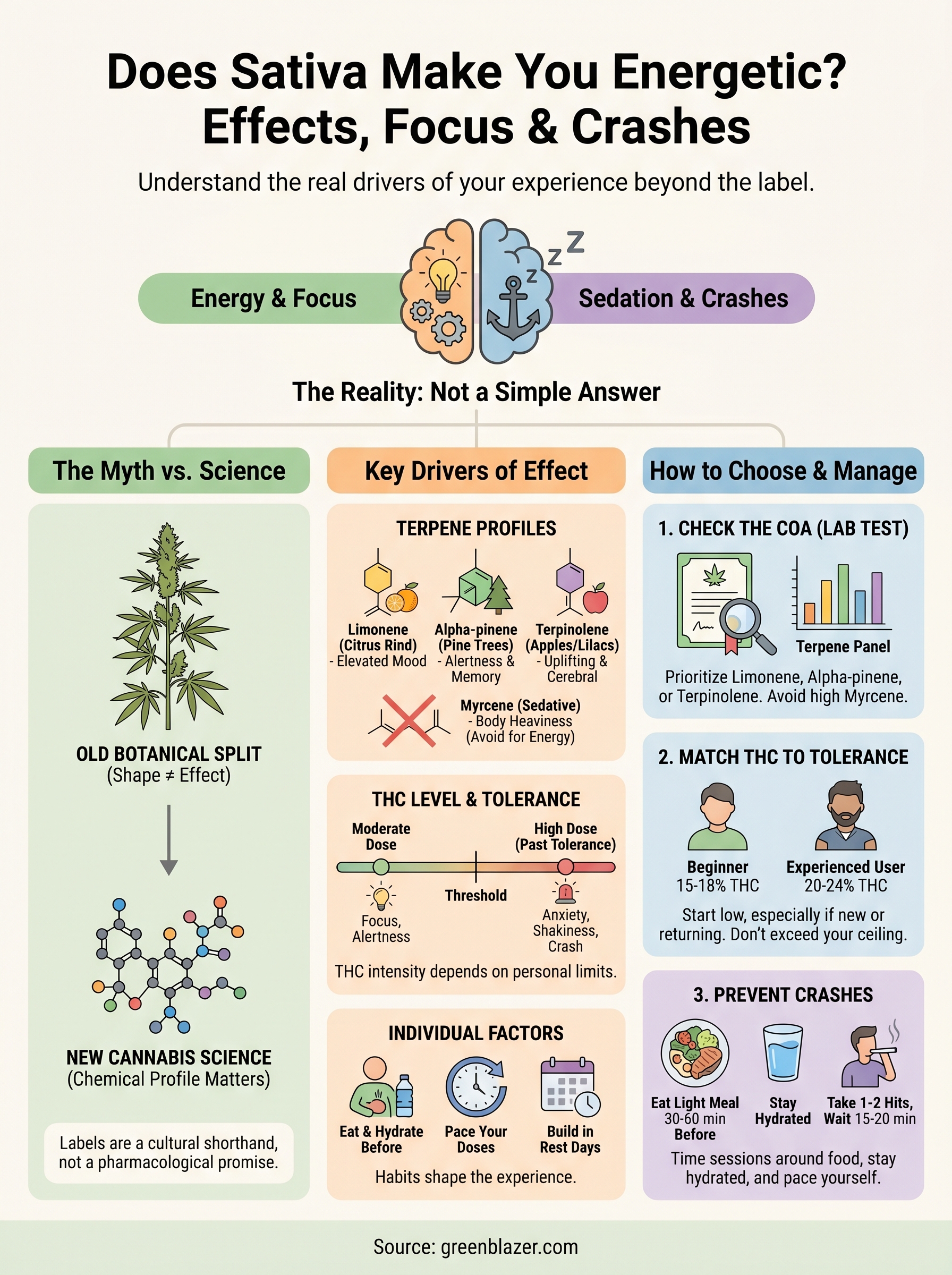
A quick recap before your next session
Does sativa make you energetic? It can, but the label alone will not guarantee that outcome. What actually determines whether you feel focused and lifted comes down to terpene profile, THC level, and where you are personally with tolerance on any given day. Strains high in limonene, alpha-pinene, or terpinolene give you the best shot at a productive session. Strains with dominant myrcene will likely work against you regardless of what the category says.
Your habits around sessions matter just as much as what you're smoking. Eating beforehand, pacing your hits, and taking rest days between sessions all protect your functional ceiling and reduce the chance of a crash cutting your focus short. Read the COA before you buy, start at a lower dose than you think you need, and adjust from there.
When you're ready to pack your next sativa session, shop RAW pre-rolled cones at Green Blazer for consistent, clean-burning cones that let the flower speak for itself.
